
Preimplantation Genetic Testing with Ion ReproSeq PGS Kits
Preimplantation Genetic Testing with Ion ReproSeq PGS Kit
Accelerate PGT-A research with a rapid NGS workflow
on ReproSeq PGS Kits support preimplantation genetic testing for aneuploidy (PGT-A) research using Ion Torrent next-generation sequencing (NGS) technology. The workflow is designed for low-input embryo biopsy samples and enables high-resolution detection of chromosomal abnormalities, including whole chromosome aneuploidies, mosaicism, and segmental copy number events.
features
Key benefits of preimplantation genetic testing with Ion ReproSeq PGS kits
Versatile and comprehensive
Detect whole-chromosome, mosaic, and small copy number events with just 6 pg of DNA from single or multiple samples
Scalable throughput
Multiple kit configurations to analyze from 16 to 192 samples in a single run
Rapid end-to-end NGS workflow
Sample to results in less than 10 hours* and reduce user error, with <2 hours* hands-on time
Enhanced interpretation of results
Mosaicism detection, gender masking, and improved data plotting (for easier data interpretation)
Premium quality controls
Deliver enhanced PGT-A results with checks for triploidy, DNA contamination including maternal source, sibling identification, and gamete contributor association
Why NGS-based PGT-A research?
Compared with older technologies, NGS-based workflows may help provide:
- Higher scalability
- Improved reproducibility
- Automated analysis pipelines
- Broader genomic coverage
End-to-end NGS workflow for PGT-A research
Ion ReproSeq PGS kits include all materials for library construction, template preparation, and sequencing on Ion Torrent NGS systems for sample to analysis in as little as 10 hours.* Simple cartridge-loaded reagents, straightforward user interface, and automated template preparation reduce user errors and facilitate rapid implementation of PGT research into your lab.
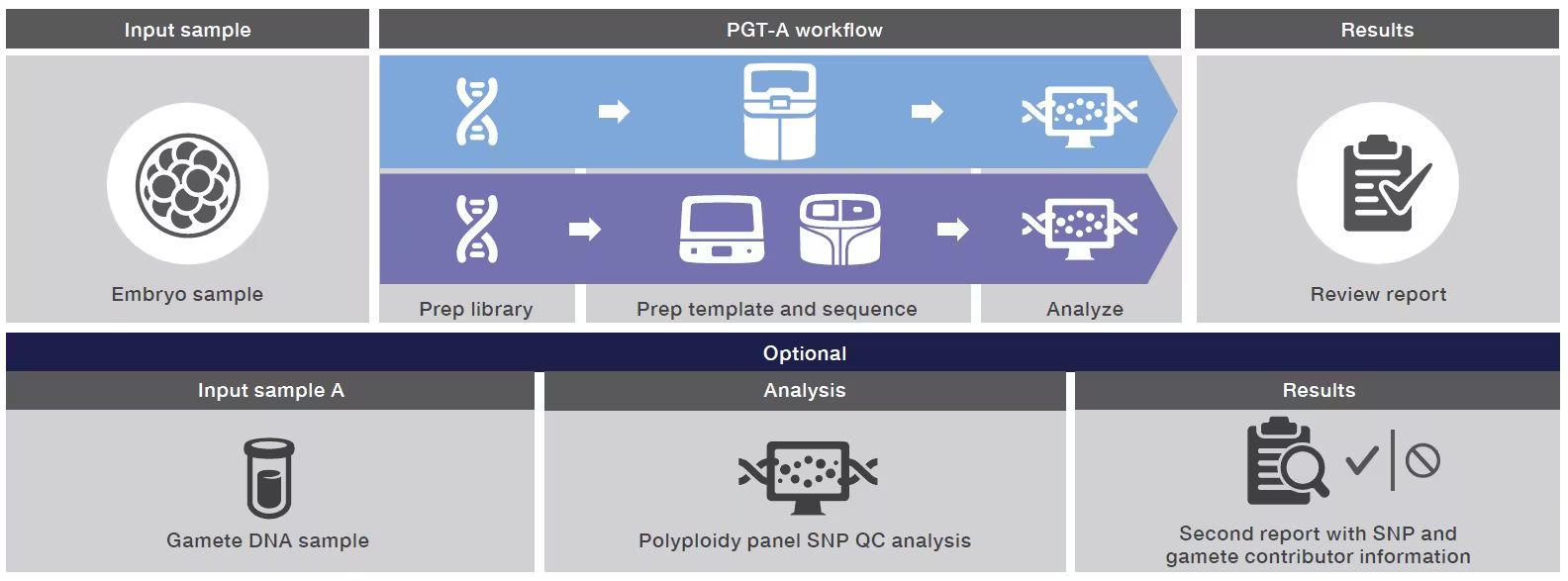
Figure. Complete PGT-A workflows with Ion ReproSeq PGS kits. The Ion Torrent Genexus Integrated Sequencer (blue) offers an all-in-one solution with a single system for templating, sequencing, and analysis for up to 192 PGT-A samples. The Ion Chef and Ion GeneStudio S5 systems (purple) offer a scalable workflow for 16, 24, or 96 PGT-A samples, with the option to simultaneously perform PGT-M (monogenic disorders). Both options include built-in software for automatic data analysis and reporting.
Workflow
Ion ReproSeq PGS workflow steps
Show customers exactly where the product sits in their laboratory workflow.
01
Collection
Collect embryo biopsy samples for chromosomal analysis research workflows.
02
Whole genome amplification
Amplify low-input DNA to generate sufficient material for sequencing.
03
Library preparation
Prepare next-generation sequencing libraries using Ion ReproSeq PGS Kits.
04
Template preparation
Generate sequencing-ready templates for Ion Torrent systems.
05
Sequencing
Sequence amplified DNA to generate chromosomal copy number data (Genexus or GeneStudio).
06
Data analysis and interpretation
Analyze sequencing results for aneuploidy, mosaicism, and copy number variations using integrated bioinformatics workflows.
07
Optional SNP-QC
Run SNP-QC alongside ReproSeq samples with embryo biopsy and gamete contributor DNA to report analysis in same cohort.
Hear from specialists and learn about PGT with Ion ReproSeq PGS Kits

Comparative analytical evaluation of two NGS-based PGT-A assays: ReproSeq vs VeriSeq
Adam Goodman, Director of Preimplantation Genetics at NextGen MDx

IVF and genomics: positioning ourselves for the future with Ion ReproSeq PGS
Catherine Welch, MBA, TS (ABB)
Founder and Managing Partner of Sequence46

Advancing IVF research with Ion ReproSeq PGT-A
Volkan Baltaci, MD, PhD
CEO of Mikrogen
Perform niPGT-A research analysis
Ion ReproSeq PGS Kits support non-invasive preimplantation genetic testing for aneuploidy (niPGT-A) research workflows using embryo culture media samples. Researchers can prepare next-generation sequencing libraries and perform aneuploidy analysis without embryo biopsy collection. Learn more about workflow preparation, sequencing setup, and analysis recommendations in the niPGT-A User Bulletin.

Deliver premium PGT-A analysis with SNP-based quality controls
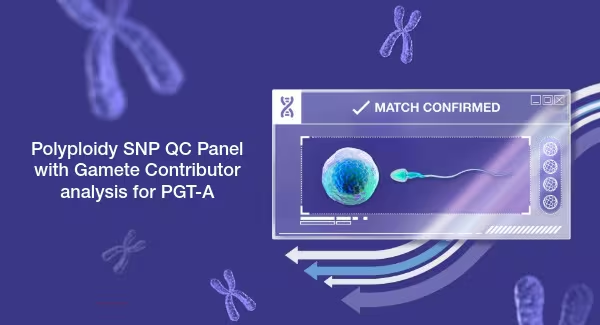
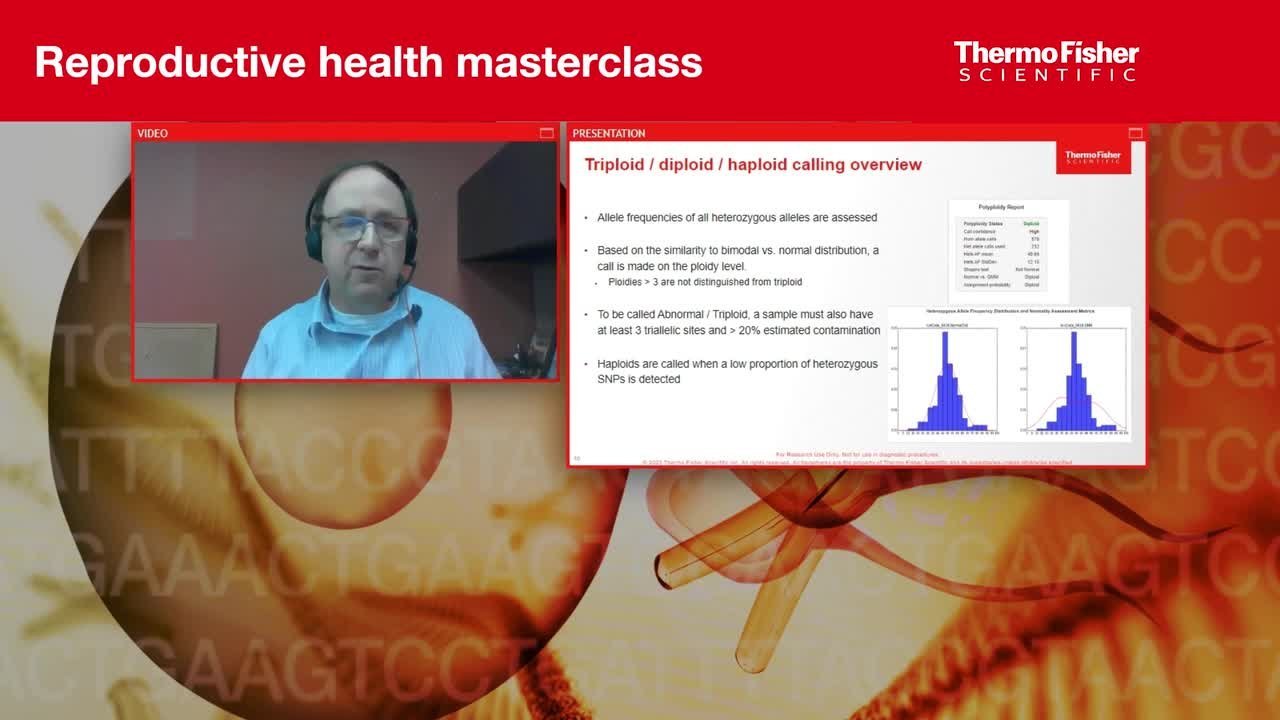
Confidently identify triploidy 69, XXX, assess potential contamination including maternal, track sibling samples, and compare gamete contributor samples with embryo biopsy samples with the new Ion AmpliSeq Polyploidy SNP QC Panel, available as an optional add-on to Ion ReproSeq PGS Kits.
Gamete contributor QC analysis
- Optional analysis will allow users to confirm association with gamete samples and embryo cohort
- Gamete contributor samples required
- For analytical comparison only
Data analysis and bioinformatics
Integrated PGT-A research analysis
Ion Reporter Software for Ion GeneStudio and Genexus Software for the Ion Torrent Genexus System supports chromosomal analysis workflows for PGT-A research applications.
Analysis
Analysis capabilities
Aneuploidy detection
Whole chromosome copy number analysis
Mosaicism analysis
Detection of mixed chromosomal populations
CNV analysis
Segmental copy number event identification
QC evaluation metrics
Fraction duplicate reads, MAPD, Mapped reads, Mean read length, and WavSD
Data visualization
Chromosome-level visualization tools

PGT service and support
Our PGT workflow consultancy program is designed to help laboratories maximize the value of our PGT products, addressing your specific workflow needs through close collaboration with your laboratory team.
Support for Ion Torrent sequencers is provided by the Thermo Fisher Scientific team. To learn more about service and support for Ion Torrent reproductive health assays, visit our dedicated page.
Service and support for the PGD-SEQ kits, design and software analysis are provided by Journey Genomics, S.L.
Frequently Asked Questions
Ion ReproSeq Kits frequently asked questions
Common technical and purchasing questions can be answered directly on the product page, reducing unnecessary navigation.
What is PGT-A?
PGT-A stands for preimplantation genetic testing for aneuploidy. It is a research workflow used to analyze chromosomal abnormalities in embryo biopsy samples.
What types of abnormalities can Ion ReproSeq PGS Kits detect?
The workflow supports research detection of:
- Whole chromosome aneuploidies
- Mosaicism
- Segmental copy number variations (CNVs)
What sequencing systems are compatible?
Ion ReproSeq PGS Kits are compatible with:
- Ion GeneStudio S5 Systems
- Ion Torrent Genexus System
How much DNA input is required?
The workflow supports DNA input as low as 6 pg.
What throughput does the workflow support?
Researchers can process approximately 16–192 samples per sequencing run depending on system configuration.